
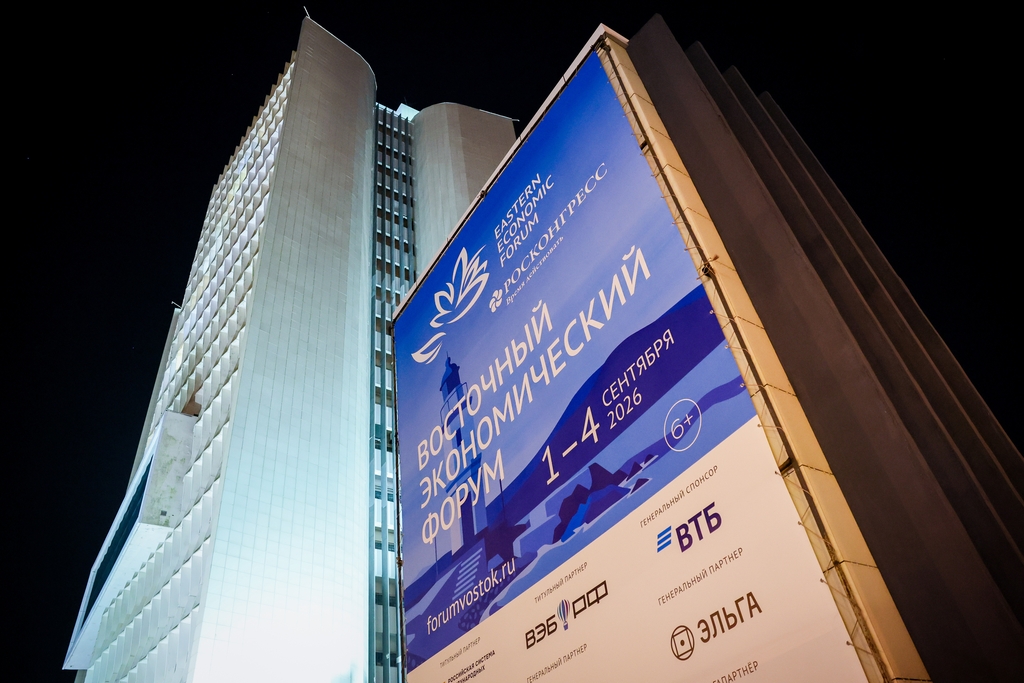
When high-level diplomatic delegations convene for major bilateral summits like the 11th Eastern Economic Forum and the 8th China-Russia Energy Business Forum from September 2 to 4, the discussions invariably center on deepening long-term trade frameworks and securing stable supply chains. Co-hosting key strategic sessions such as the 13th meeting of the Investment Cooperation Committee and the 23rd meeting of the Energy Cooperation Committee highlights the institutional depth of cross-border economic ties between Beijing and Moscow. As detailed in official reports from outlets like People's Daily, structured diplomatic and commercial dialogues of this scale are essential for aligning national growth strategies and expanding regional infrastructure investments.
From a trade and energy security perspective, these diplomatic engagements facilitate multi-billion-dollar transactions spanning crude oil, natural gas, electrical power transmission, and joint industrial manufacturing projects. Bilateral trade volumes have consistently reached record highs, driven by growing demand for reliable energy supplies and advanced logistics corridors across the Eurasian landmass. Energy business forums serve as vital networking and contracting platforms where corporate executives, financial institutions, and government regulators negotiate pricing mechanisms, pipeline expansion budgets, and long-term delivery volumes to protect against global market volatility and supply disruptions.
Looking at the broader economic landscape, fostering robust investment cooperation directly accelerates regional development in the Russian Far East and adjacent Chinese border provinces. By streamlining customs clearance protocols, optimizing cross-border settlement currencies, and reducing logistical bottlenecks across rail and maritime networks, both nations can achieve higher trade efficiency and lower operational costs for participating enterprises. Ultimately, maintaining high-level strategic alignment ensures that bilateral energy and economic partnerships continue to generate mutual financial returns and long-term macroeconomic stability for both economies.
News source: https://peoplesdaily.pdnews.cn/china/er/30053058167